
New Life from Agricultural Waste | Pineapple Leaf Fiber: A Sustainable Leather Substrate
PALF Bio-based Leather Substrate from Recycled Agricultural Waste
New Life from Agricultural Waste | Pineapple Leaf Fiber: A Sustainable Leather Substrate
After pineapples are harvested and sent to market, large quantities of pineapple leaves are usually burned or left to rot in farmland as agricultural waste.Today, these discarded leaves are processed into pineapple fiber (PALF), also known as pineapple-leaf flax, a sought-after eco-friendly substrate in the bio-based leather industry.
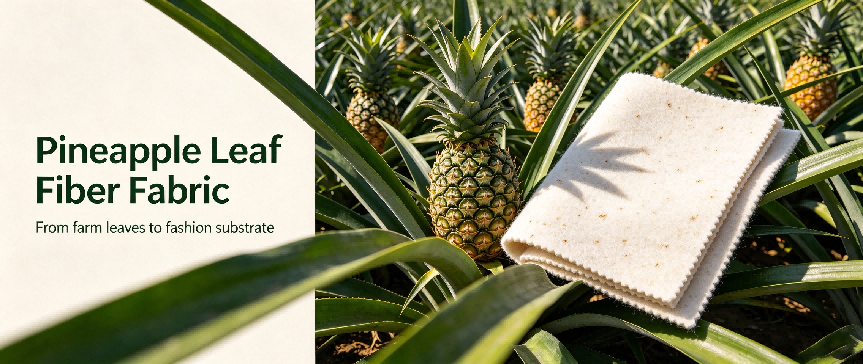
The photo shown here is pineapple fiber nonwoven felt, the core base material for pineapple leather. It features a natural ivory off-white base, interlaced long and short plant fibers with a subtle felt texture.Scattered light brown specks are natural marks from pineapple leaves without artificial dyeing, the unique texture of natural raw materials.
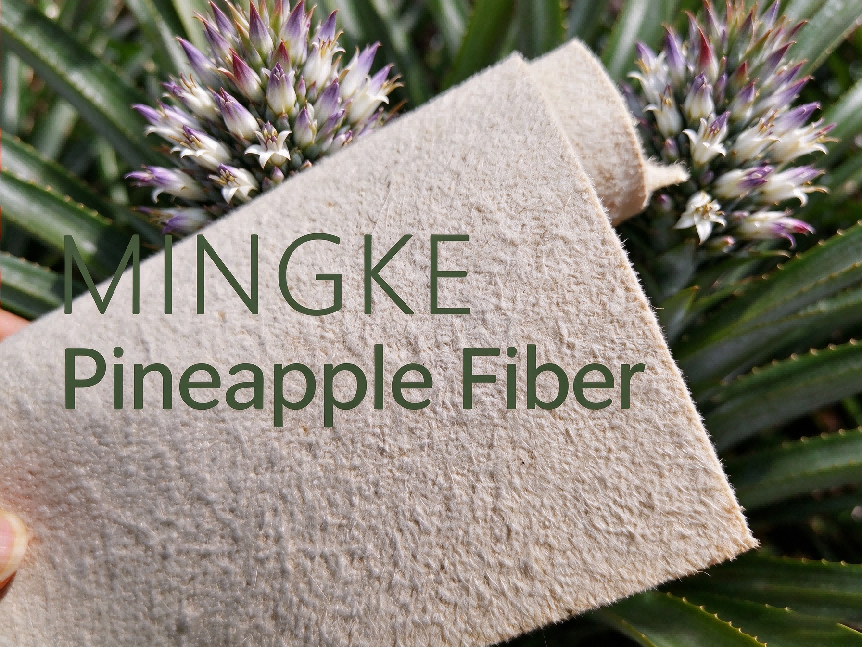
✨ What is Pineapple Leaf Fiber?
Pineapple leaf fiber, or PALF, is extracted from leaves after pineapple harvesting and classified as recycled agricultural by-product material.No extra land cultivation or irrigation fertilizer is required.We turn waste pineapple leaves into valuable resources: extract tough cellulose fiber inside leaves and process it into nonwoven felt as the base for bio-based composite leather.
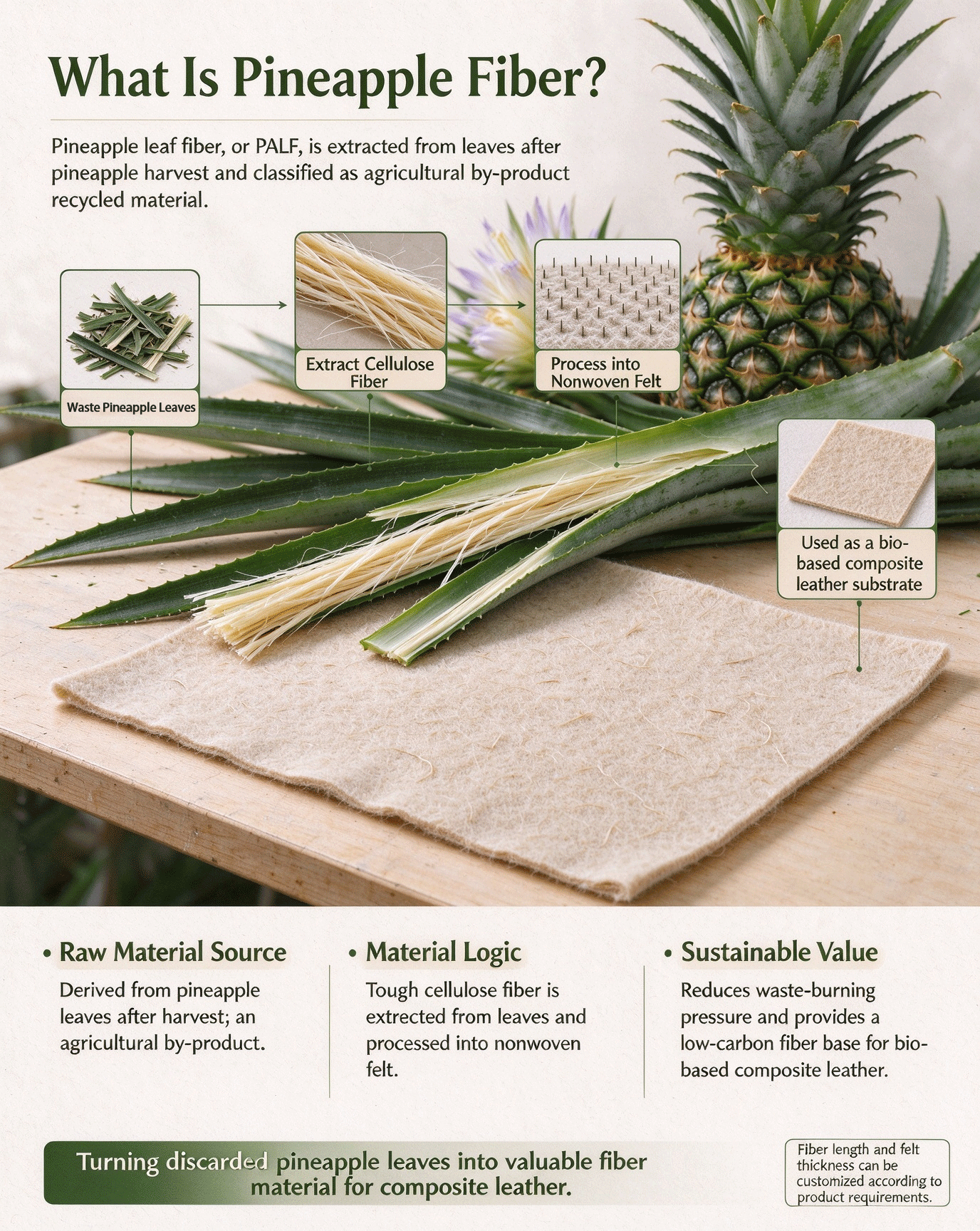
🧵 Core Material Advantages
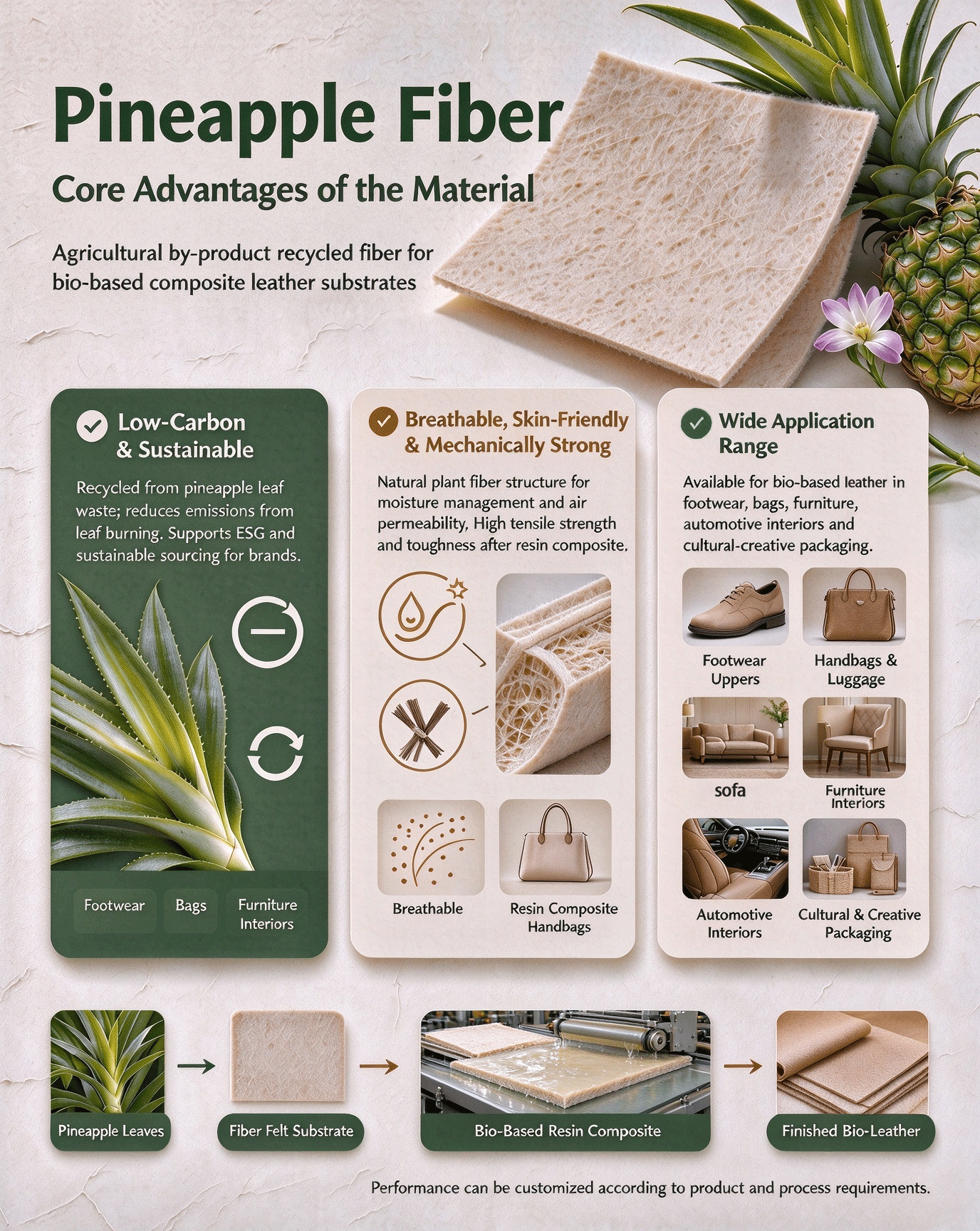
✅ Low-carbon & Sustainable. Made from recycled agricultural waste, it reduces carbon emissions caused by pineapple leaf burning. With bio-based properties, it meets ESG and sustainable sourcing requirements of international brands. It is a popular eco-material for luggage, footwear and furniture interior buyers.
✅ Breathable & Comfortable with Excellent Mechanical Performance. Natural plant fibers have capillary structures for moisture absorption and air permeability. The fiber features high tensile strength and great toughness. When combined with resin, the material balances stiffness and moldability.
✅ Wide Application Range. Our pineapple fiber substrate is commonly combined with bio-based resin to make pineapple plant leather:
▫️ Footwear uppers, handbags & luggage
▫️ Sofas, furniture upholstery
▫️ Automotive interiors, creative & premium packaging
The fiber can also be blended to make textile fabrics for apparel and home textiles.
Quick Fact: The well-known Piñatex pineapple leather uses pineapple leaf fiber nonwoven felt as its core substrate.
⚖️ Objective Material Properties
No natural material is perfect. Pure pineapple fiber is brittle with limited elongation and can rarely be used as a standalone finished fabric.
The mainstream industrial solution is to process pineapple fiber into nonwoven felt (the substrate shown in this article), then laminate with PU / silicone top layer to balance hand feel, tear strength, stain resistance and wear resistance for mass production.
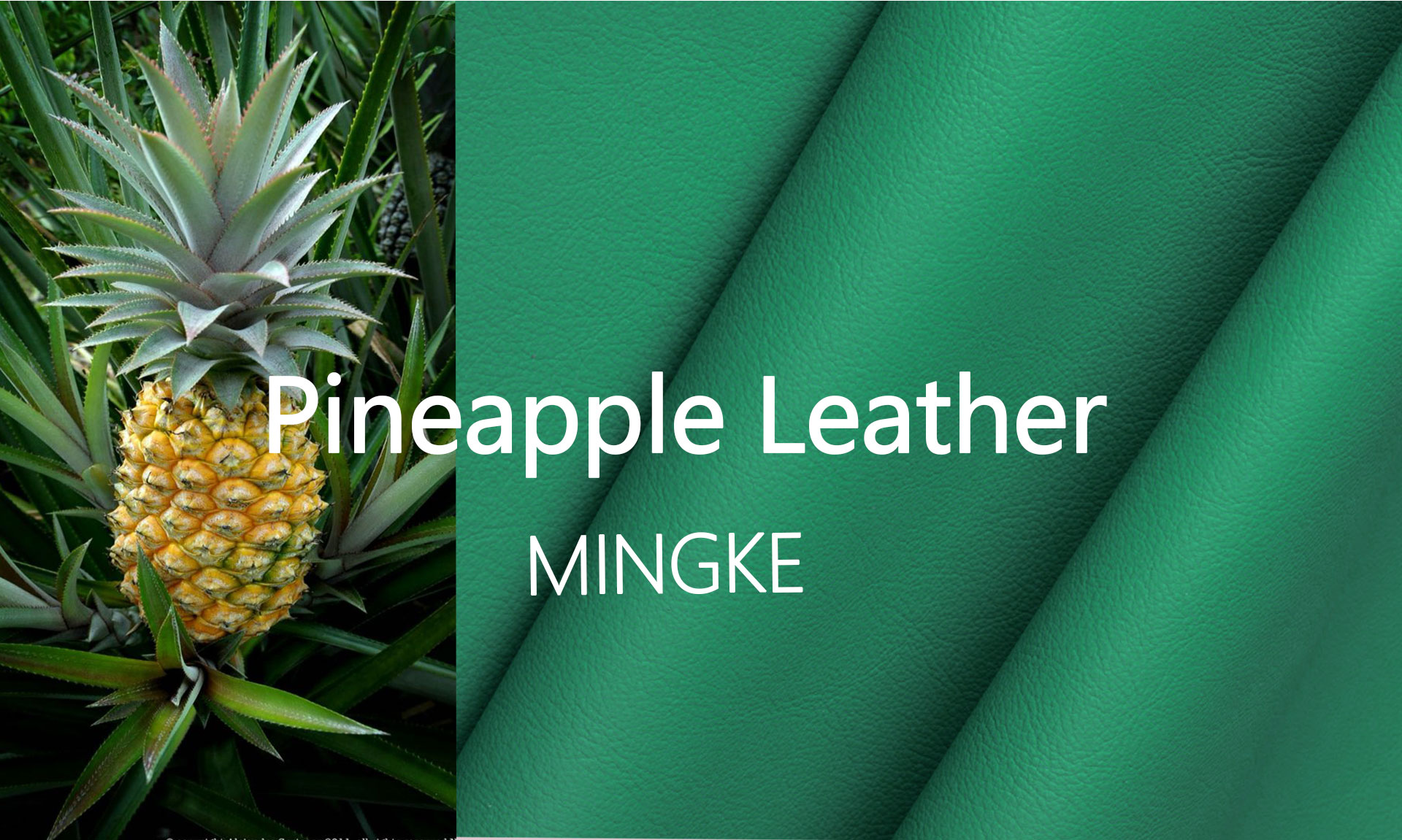
💡 Mingke New Materials | Bio-based Material Portfolio
Besides coffee-ground leather, corn leather, apple leather and silicone leather,we have added pineapple fiber substrate to our product lineup. We keep exploring the value of agricultural waste to develop diversified plant-based materials, offering more sustainable material options for footwear, luggage and furniture brands to support green upgrading.
Also discover our Water-based PU Leather, DMF-free eco-friendly synthetic leather series.Click here to learn more →
If you need detailed material property reports or sample requests for pineapple fiber substrate, please get in touch with us.

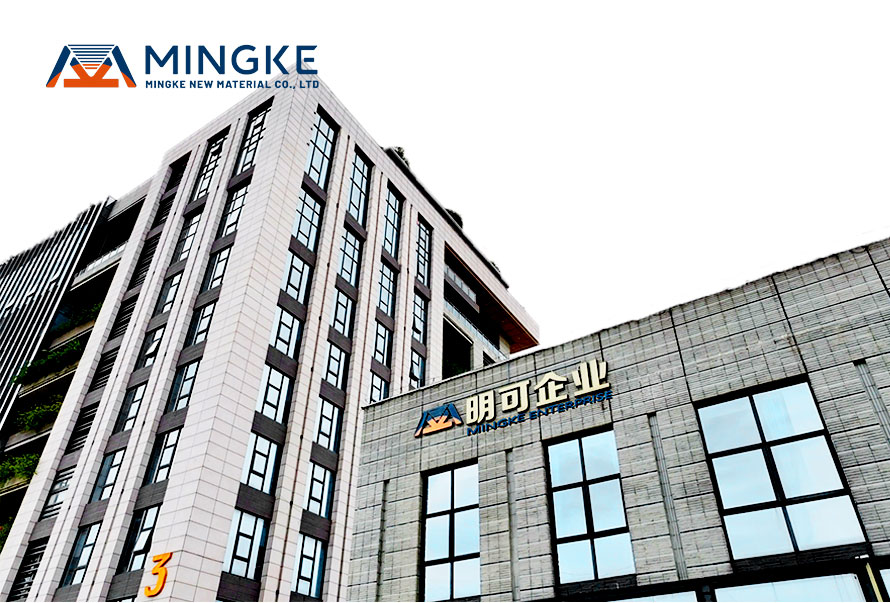
Founded in 2002, Mingke New Materials focuses on R&D of plant-based materials including pineapple fiber and coffee-ground leather, supplying various synthetic PU products to global clients.
Our materials are widely applied in handbags, furniture, footwear, apparel and electronic products. Supported by a complete supply chain, professional QC team and efficient logistics system, we deliver high-quality materials and convenient services.
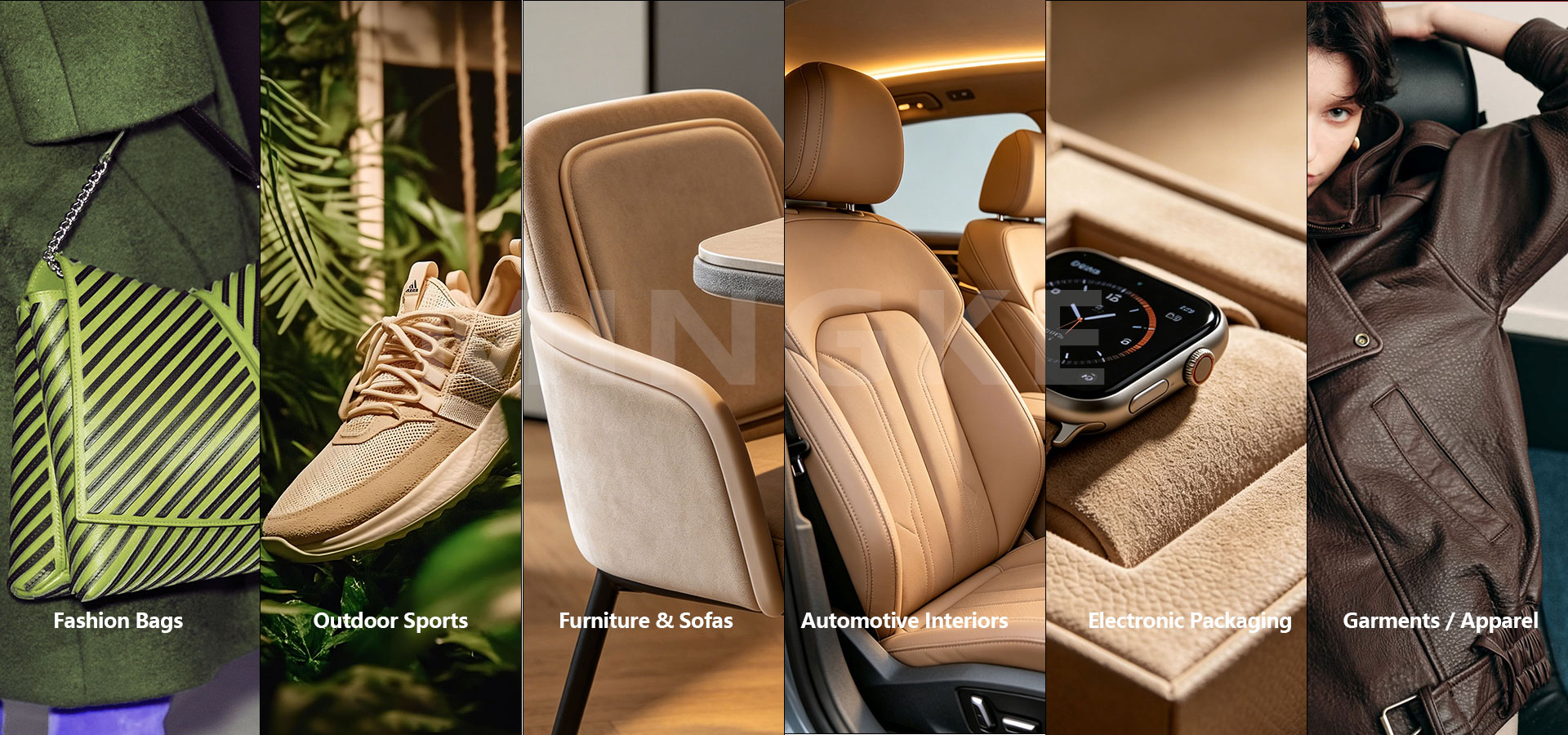
We supply functional materials, bio-based materials, GRS-certified recycled materials, textiles and new plant-fiber materials to many international brands. Our materials serve fashion luggage, outdoor goods, furniture sofas, automotive interiors, electronic packaging and fitness equipment industries.
Bio-based Eco Materials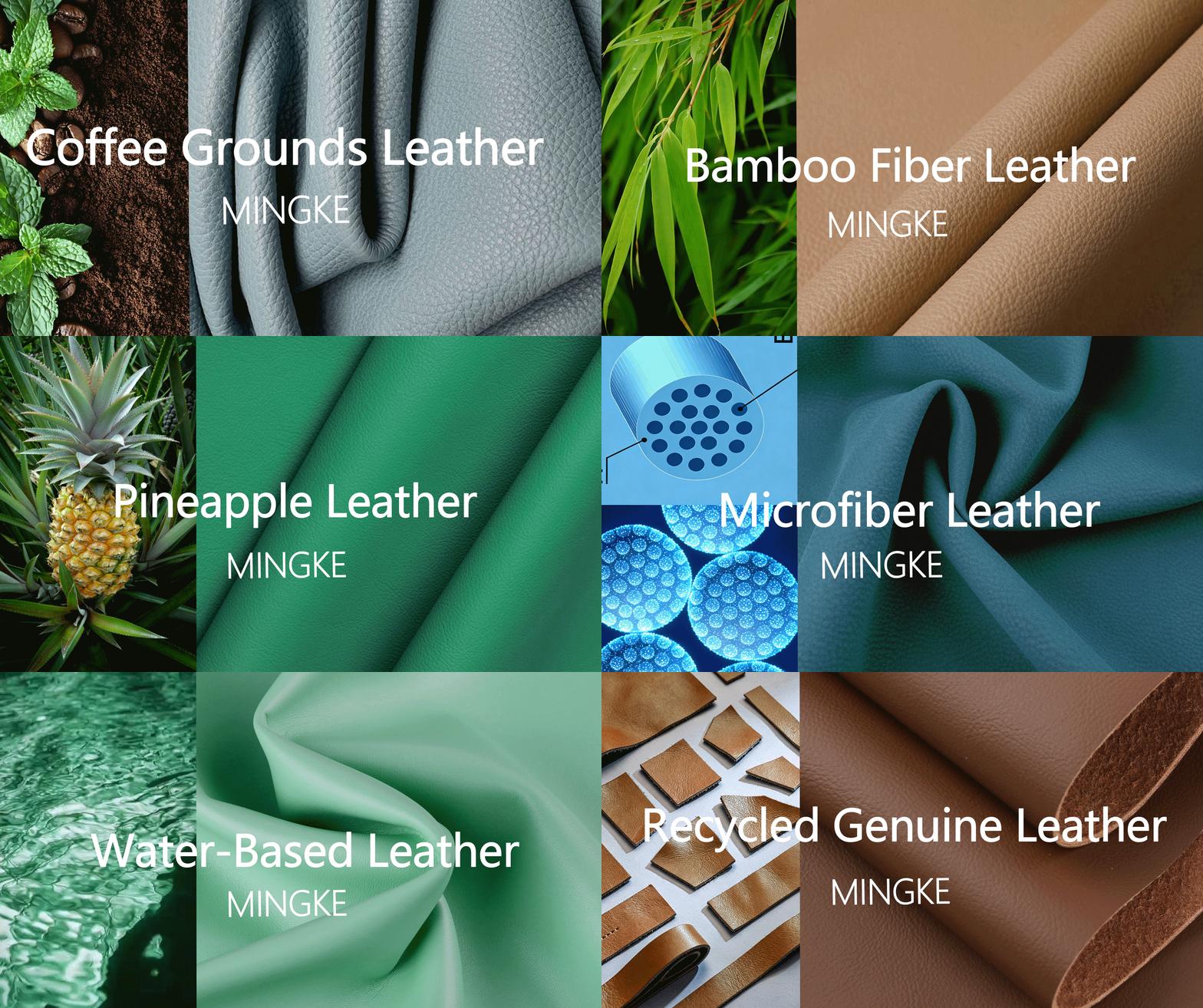
Apart from the pineapple leaf fiber substrate introduced here, we develop multiple plant-based eco fabrics. Made of renewable plant raw materials, these materials feature low carbon and low odor with mild texture, matching brands’ green upgrading and sustainable sourcing trends.
Fabrics have fine texture and stable performance.
We focus on custom brand development and support customization of texture, hand feel, function and craftsmanship.
Widely used in apparel, luggage, home upholstery, premium packaging and outdoor products, our materials deliver exclusive low-carbon, high-performance and compliant custom material solutions for brands.
FullRange Artificial Leather & Conventional Fabrics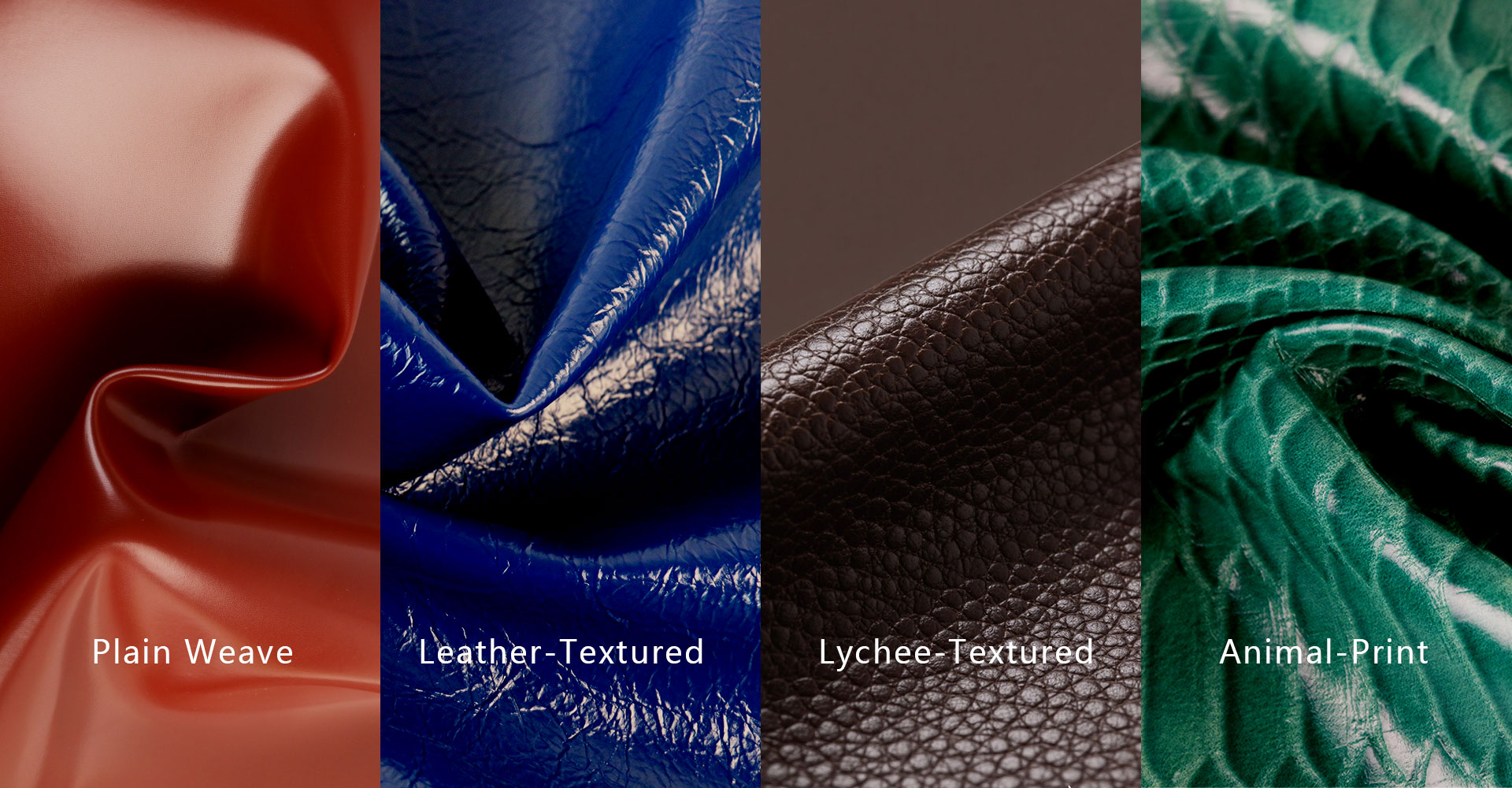
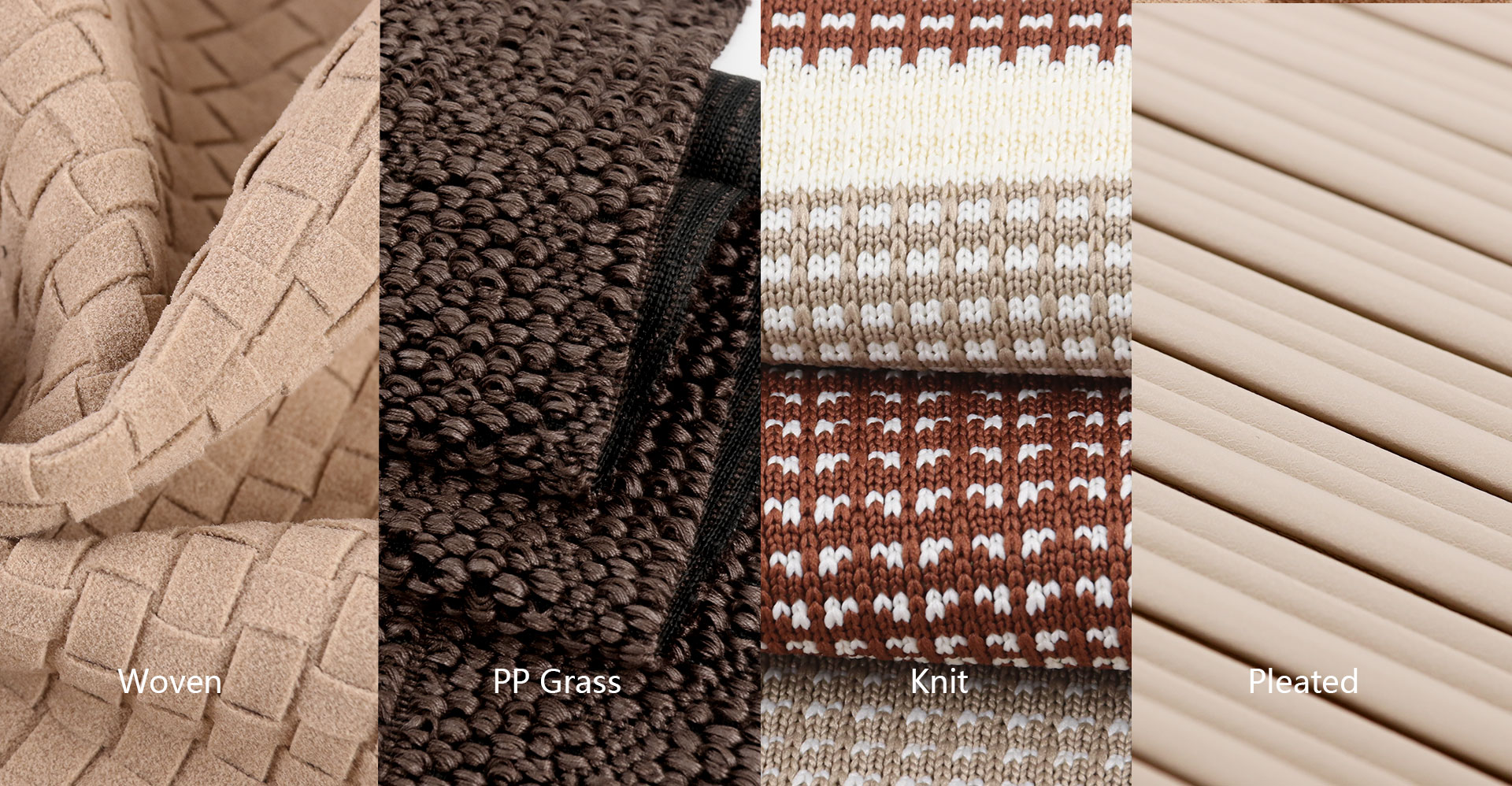
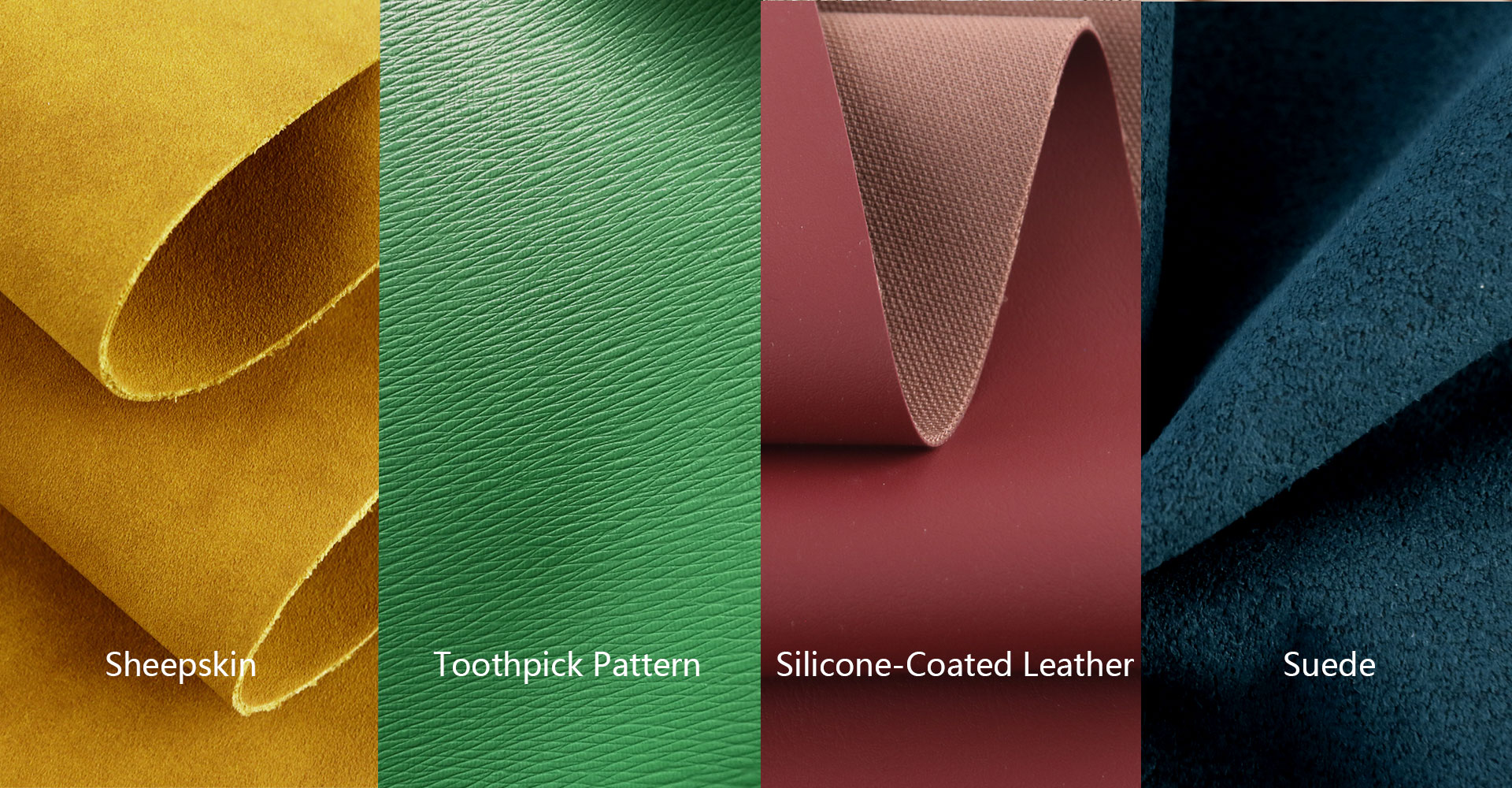
Besides plant-based bio-substrates, we also provide custom development of conventional artificial leather. We have a full portfolio of fabrics and artificial leather and specialize in brand customization.
Materials have stable physical properties, excellent color fastness and great wear and tear resistance with solid basic performance. Supported by mature customized processing technology, we can conduct personalized deep processing according to brand design requirements, product positioning and functional standards.
Suitable for apparel, luggage, home upholstery, packaging accessories and outdoor goods, we support brand product iteration and quality upgrades, delivering one-stop, full-gradient customized material supporting solutions.
FAQ
Q1: Can pineapple leaf fiber (PALF) substrate be directly made into finished leather?
A: It cannot be used as a standalone finished fabric. Pure pineapple fiber is brittle with limited elongation. The standard industrial method is to make pineapple fiber into nonwoven felt as base substrate, then laminate with PU or silicone top layer to balance tear strength, stain resistance, wear resistance and hand feel to meet mass production requirements.
Q2: What products can pineapple fiber leather be used for?
A: Suitable for handbags, footwear uppers, sofa upholstery, furniture interiors, automotive interiors and creative and premium packaging. The fiber can also be blended for apparel and home textile fabrics.
Q3: Is pineapple fiber substrate biodegradable?
A: The pineapple fiber base itself is natural plant fiber with bio-based characteristics. However, finished pineapple leather is a composite structure of fiber base plus resin top layer. Its biodegradability depends on the top layer resin formulation. We can match different top layer options according to your project environmental requirements.
Q4: Do you support sampling? Can you provide physical test reports?
A: Yes, we support sample delivery. We can provide physical test reports for both substrate and composite finished leather. Custom texture, hand feel and functional development are available based on brand requirements.
Q5: What are the differences between pineapple fiber substrate, coffee ground leather and apple fiber leather?
A: All are agricultural waste based bio-materials. Pineapple fiber substrate features outstanding mechanical toughness and obvious felt texture; coffee ground leather has coffee particle texture; apple fiber substrate delivers softer and finer touch. You can select the proper substrate according to your product positioning.
Q6: Can you support certifications such as GRS?
A: We provide GRS-certified recycled material solutions. We can deliver corresponding compliant material solutions according to your brand ESG project requirements. Welcome to discuss your project.
Contact Us
Get exclusive samples and technical solutions. Our expert team is ready to serve you.
Tel: +86 20 84646188
Fax: +86 20 84640082
WhatsApp | WeChat: 18102687893
Email: mingkenewmaterial@gmail.com
Follow Mingke New Materials for more industry insights and innovative material updates.
Website: https://www.mingke.ltd
Address: Room 1003, Tower 2, Building 1, Asian Games Avenue, Shiqi, Panyu District, Guangzhou, China
Postal Code: 511450

Product Applications


